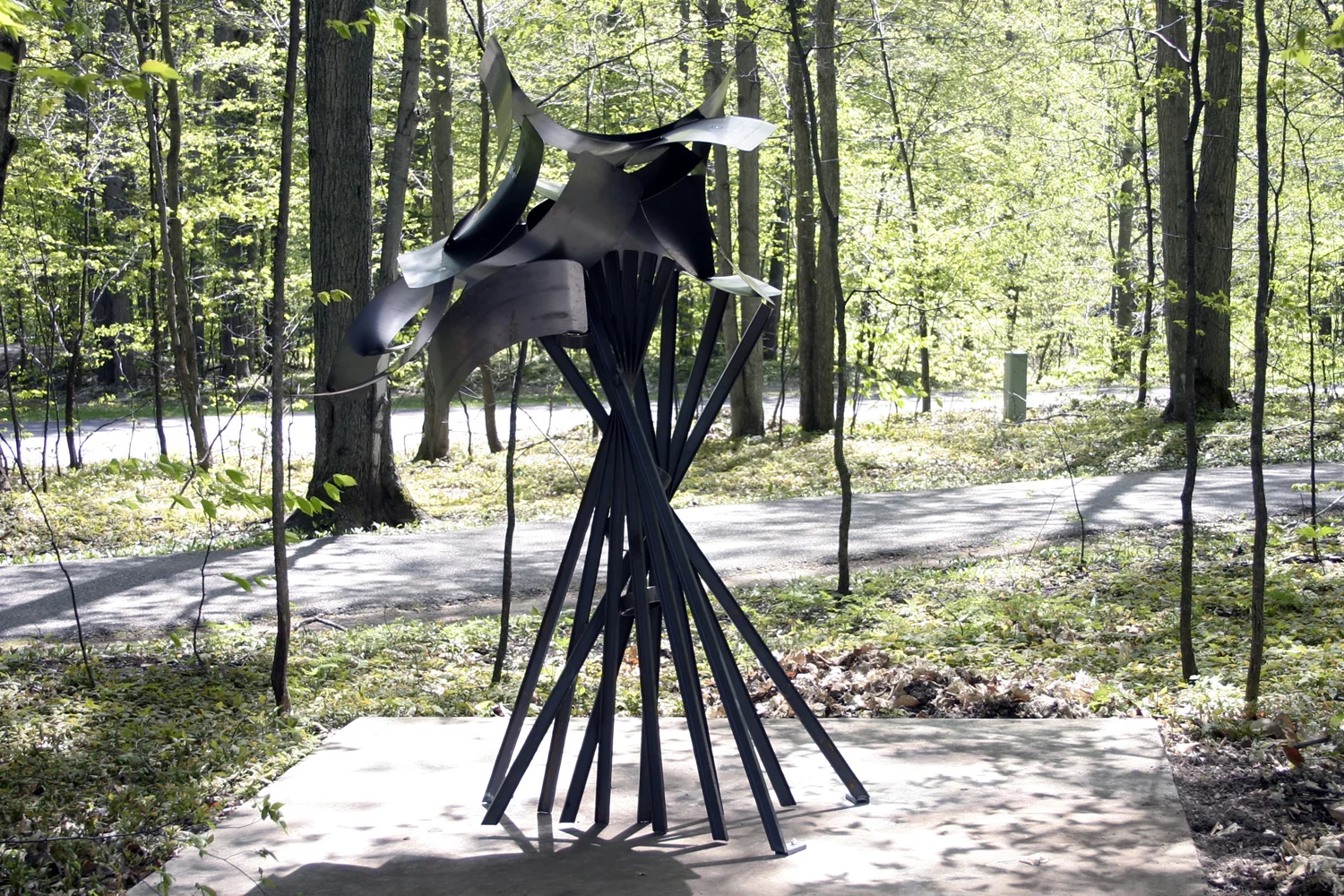


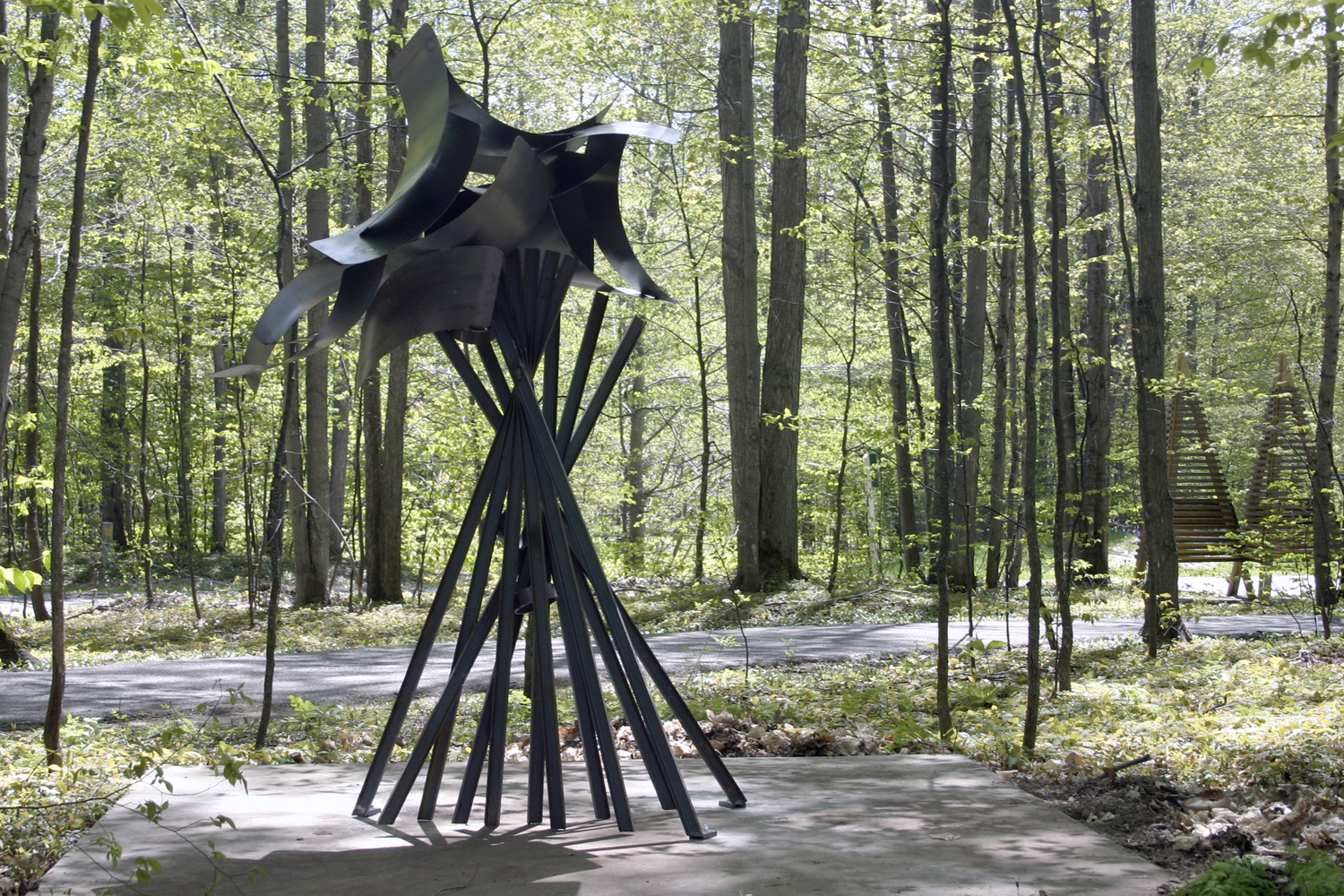
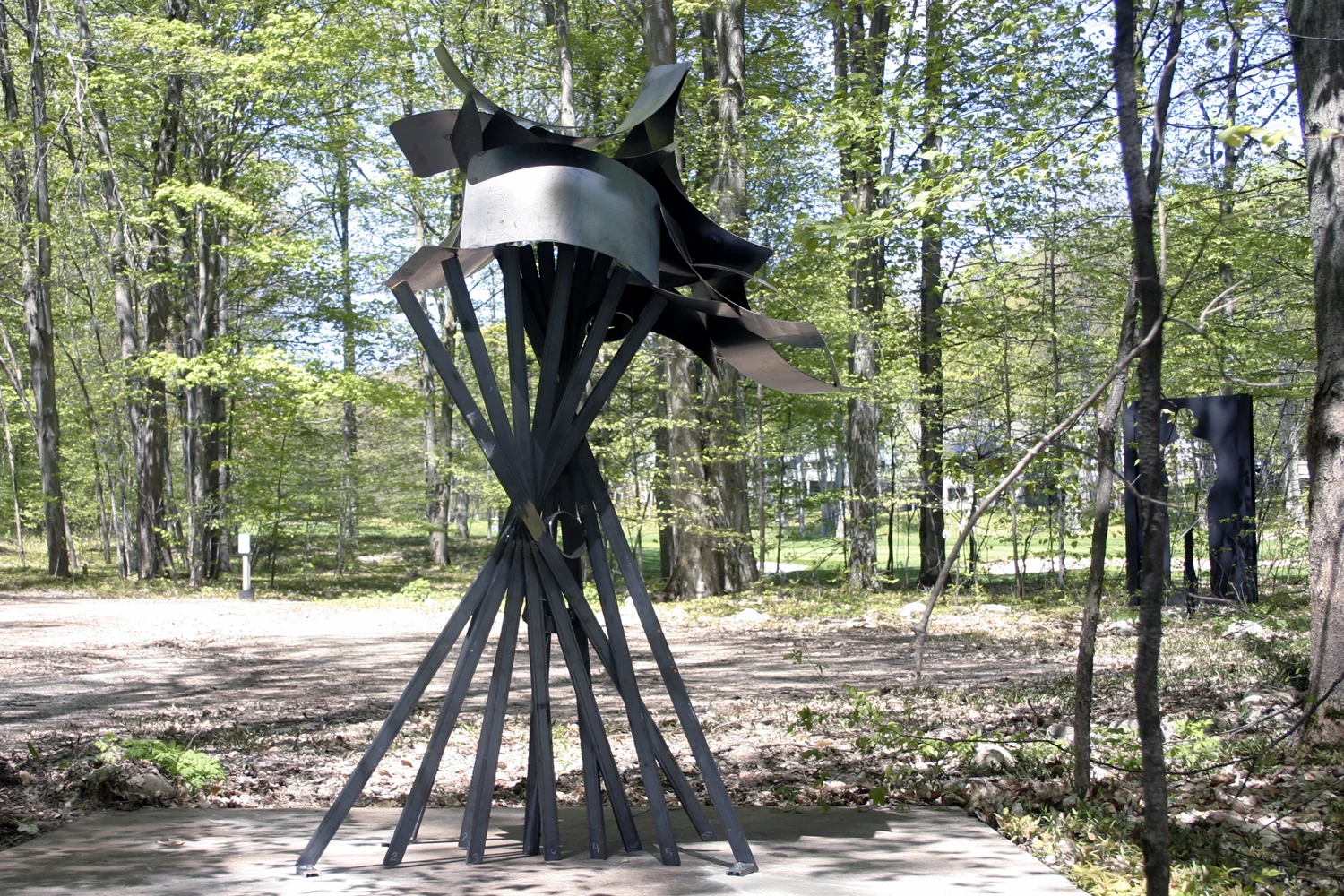


Steel and stainless steel, 38" x 48" x 84," 2014.
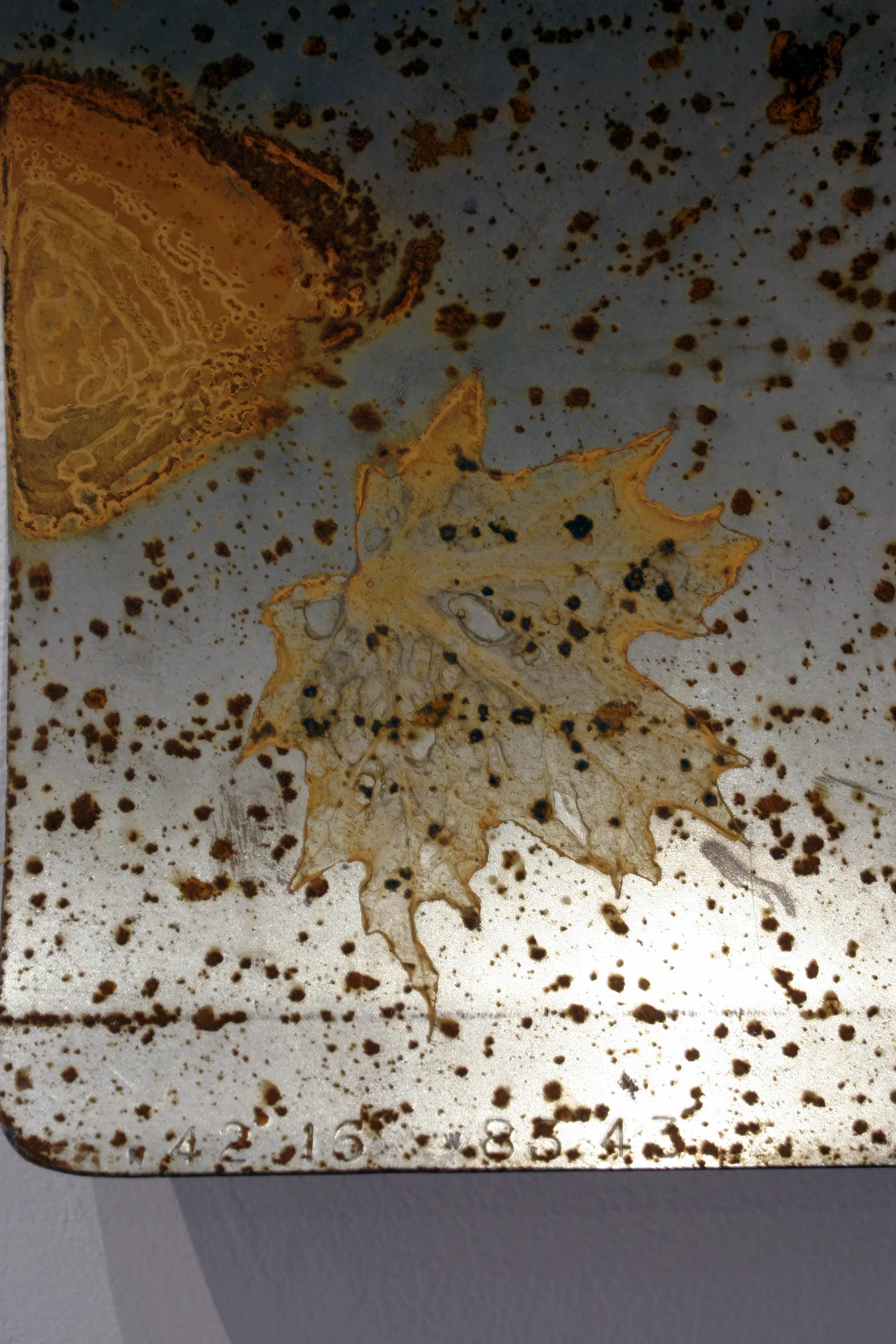
Time Collector for a Michigan Forest references the lines, branches, layers, or spider webs of a Michigan forest and the flicker of sunlight cast through each. Each arc catches the weather and rain in a pour, trickle, and pooling of time. The arcs are made of unfinished steel. Through time the steel arcs will rust specific to this location. Tracing the leaves and the dust that falls over them and the time of weather & atmosphere recorded in the changing color and pattern of rust on steel.
Steel and stainless steel, 54” x 52” x 76” 2015.
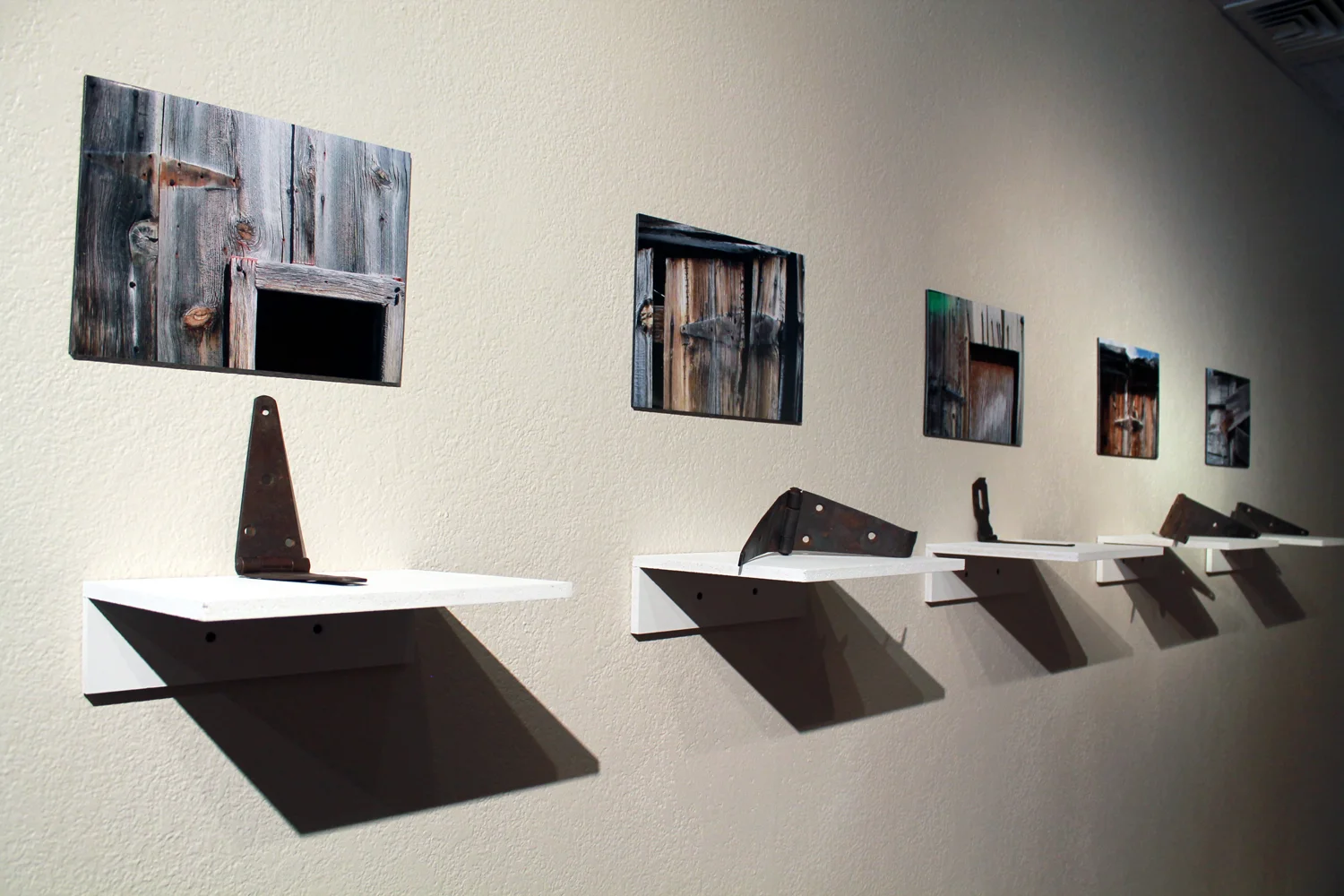
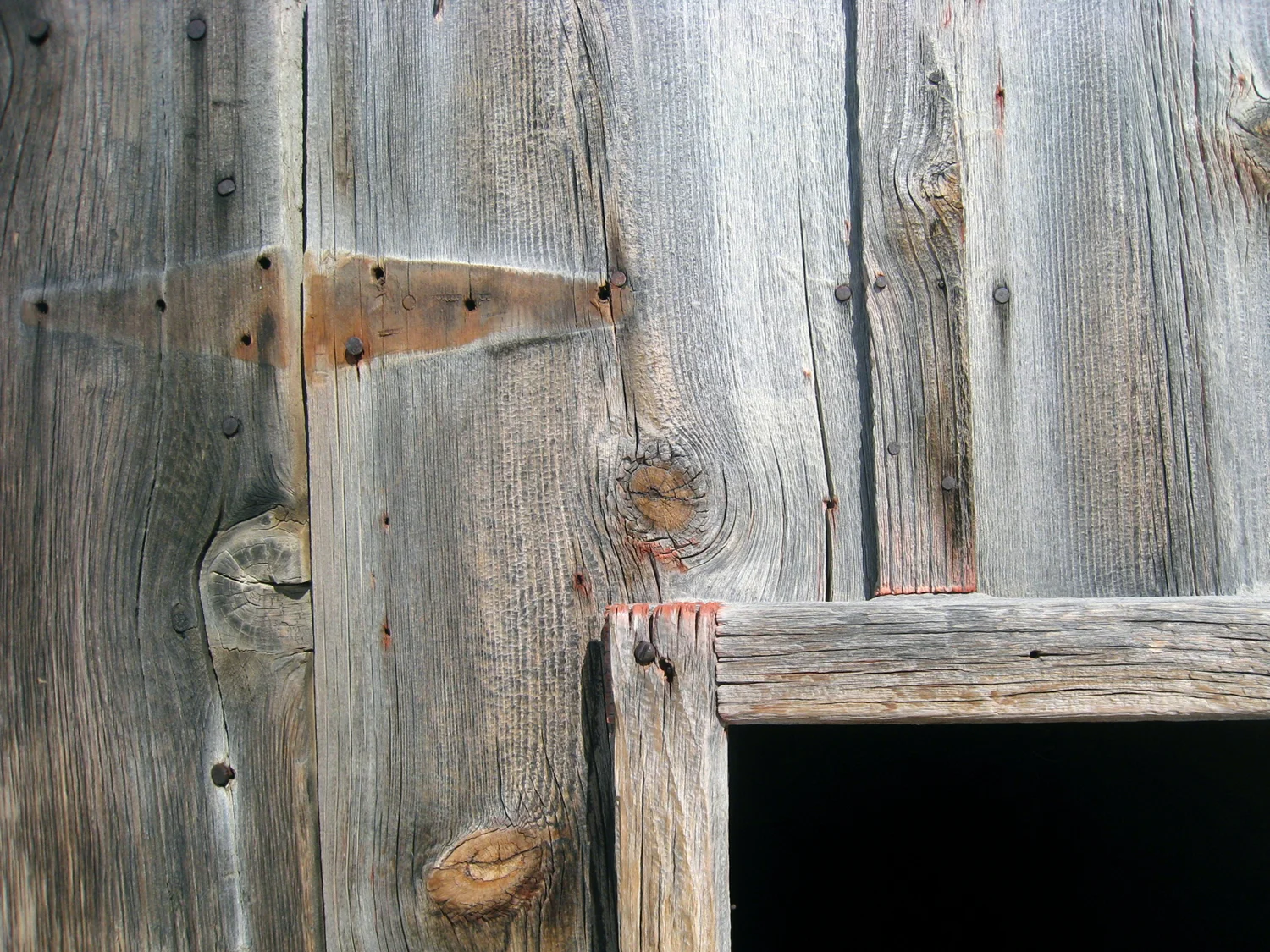
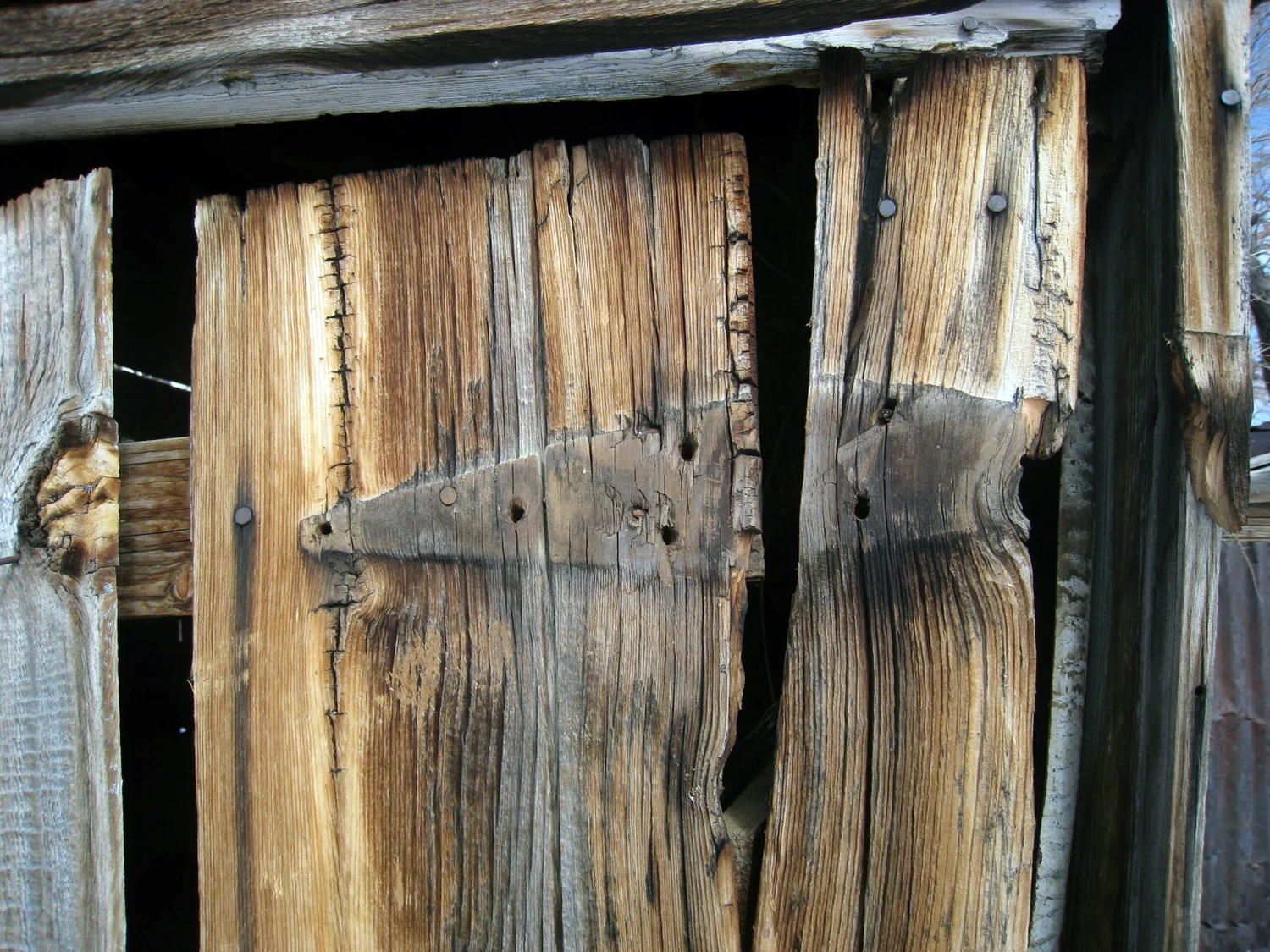
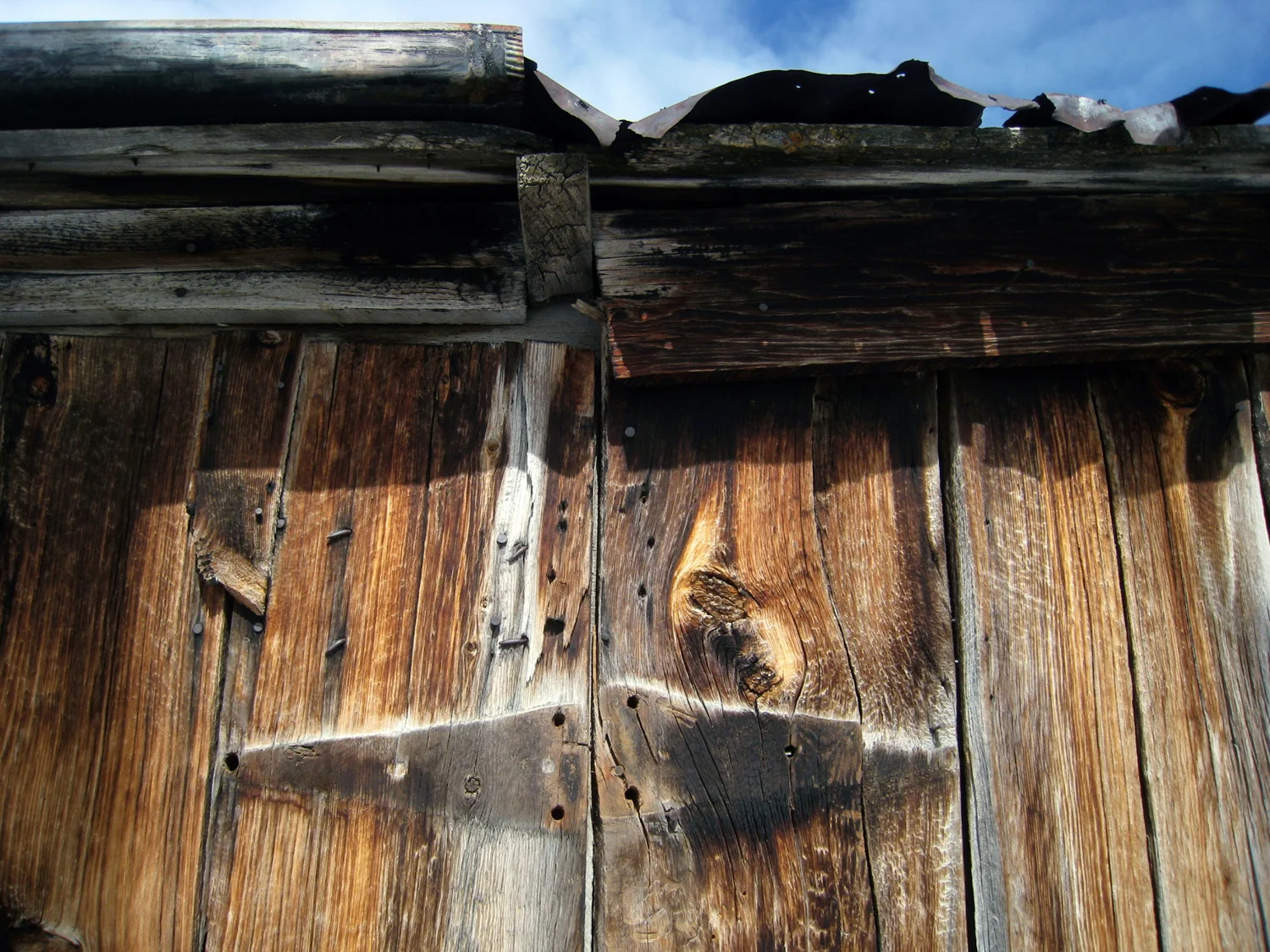
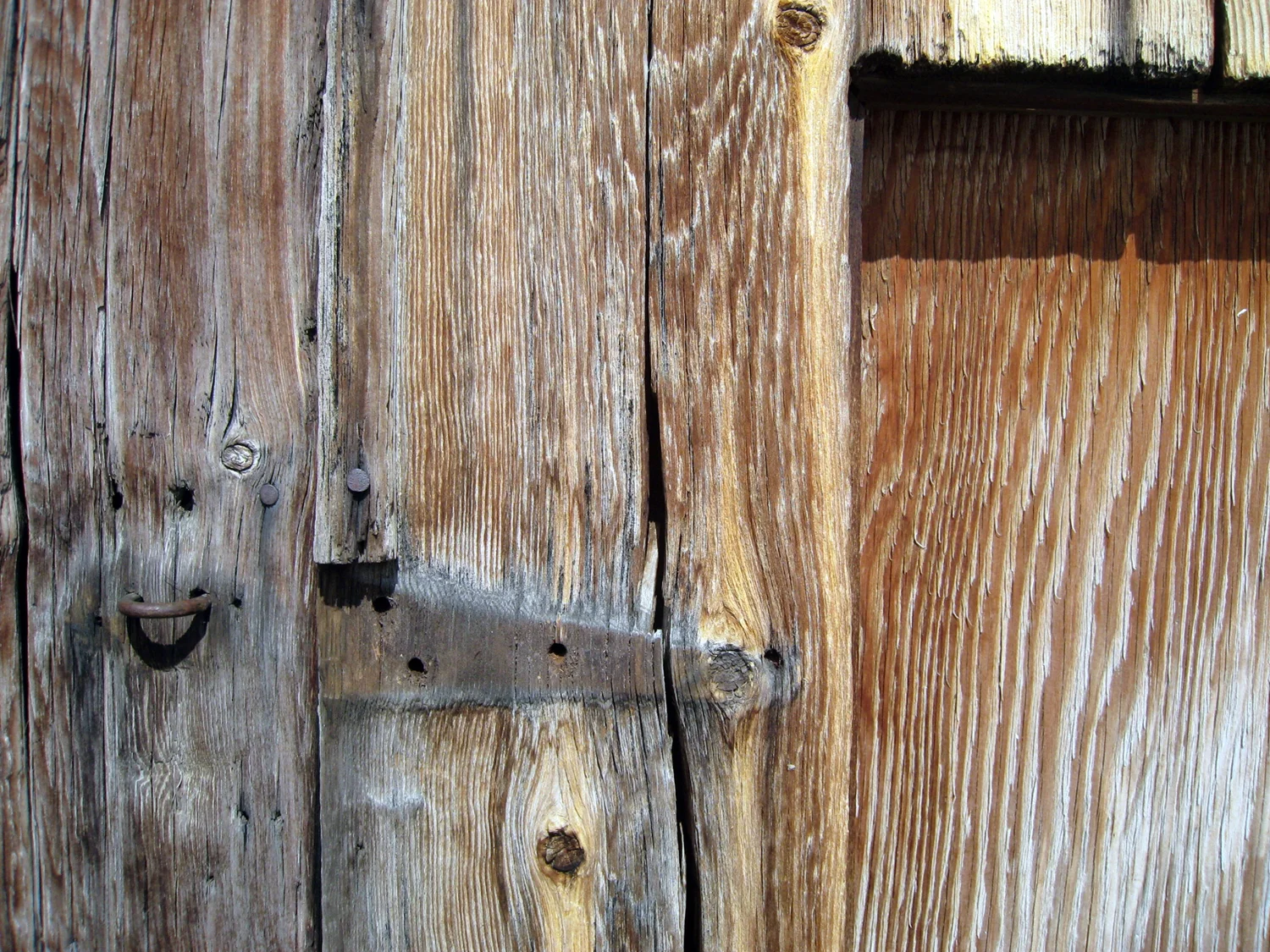
Found steel hinges and digital prints, 2012.
Time Prints: Displaced Hinges is, 5 found steel hinges removed from wooden structures, built close to 100 years ago. The steel hinge collects a memory of atmospheric time passing over a century through wind, weather, and the oxidizing rust collected on steel. Through rain, snow, and the abrasive blast of wind, the wooden surface below each hinge is printed with these forces of time in a revolving atmosphere. Having removed each hinge the structure left behind holds a time-printed memory of the steel that it had been married to. The hinge leaning against the gallery wall is a displaced artifact of this other place. With physical object before us and through the photographic image of each time-printed absence of hinge, the viewer is taken somewhere in-between the two, in a reflection on and suspension of time.
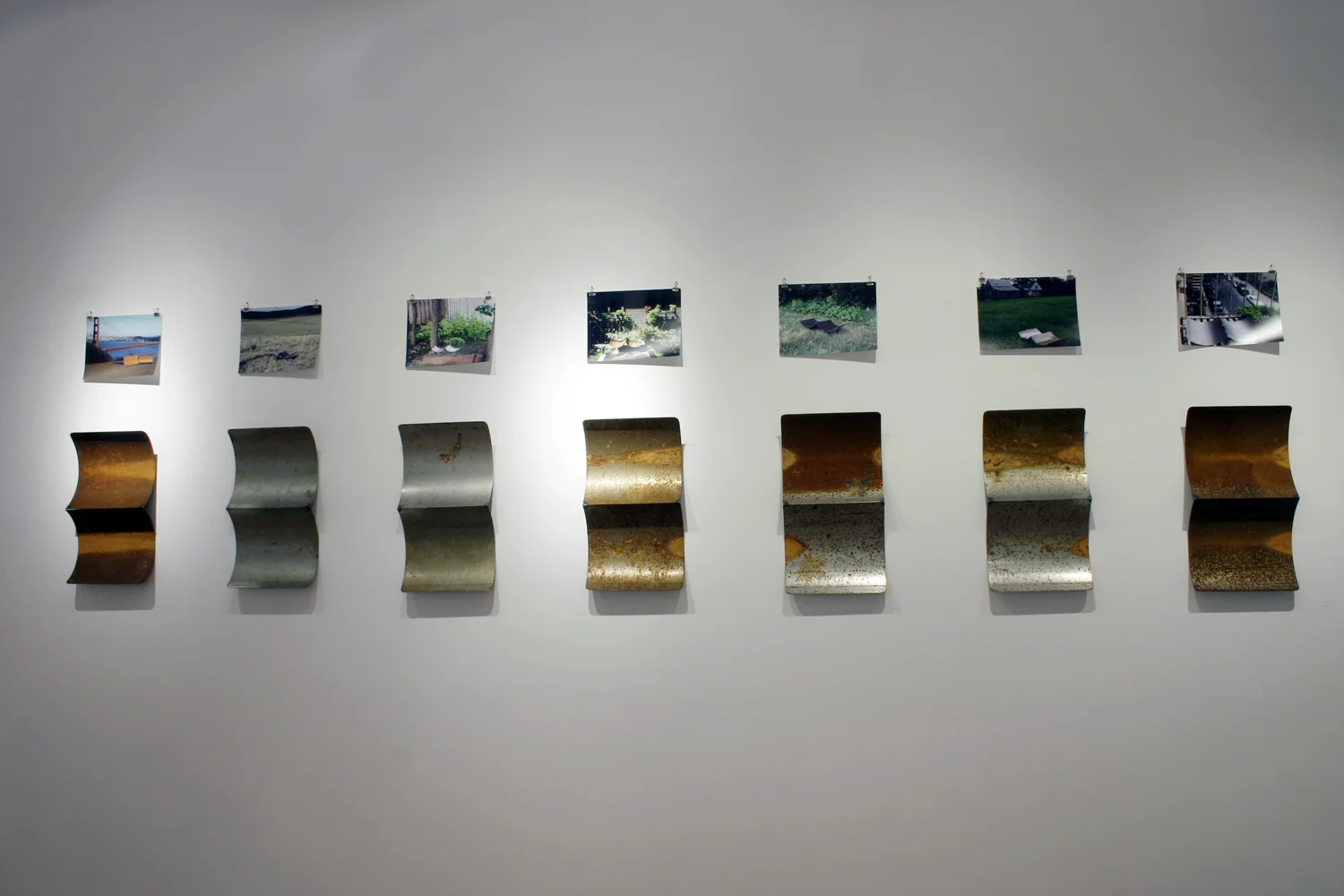
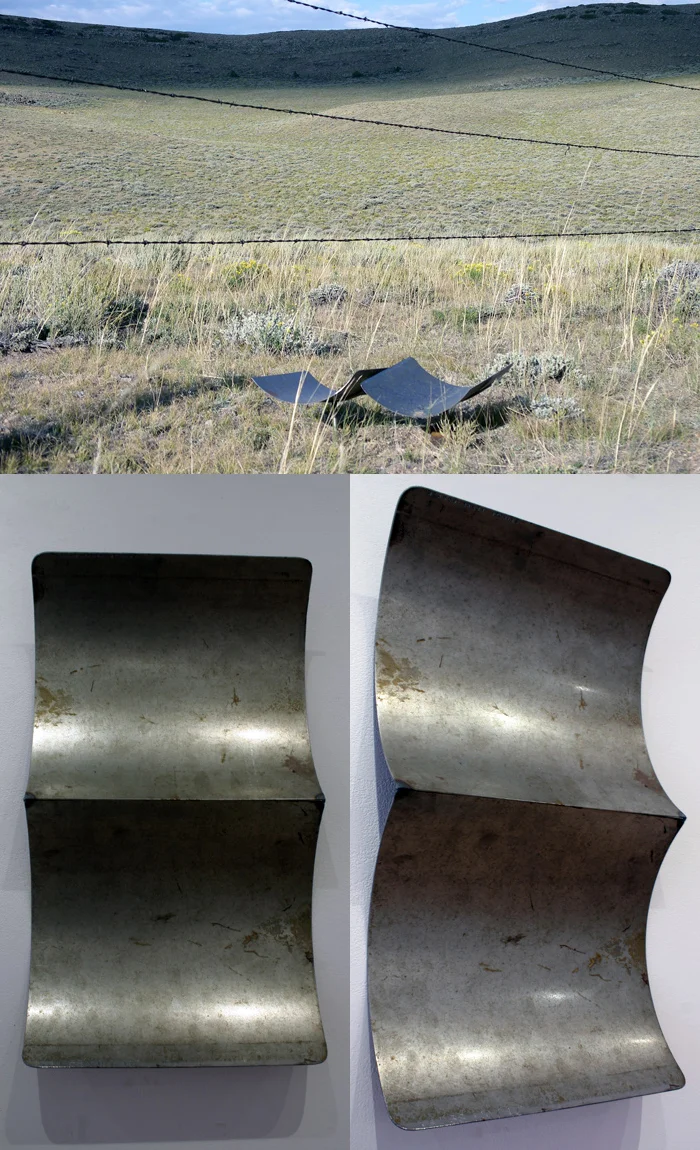
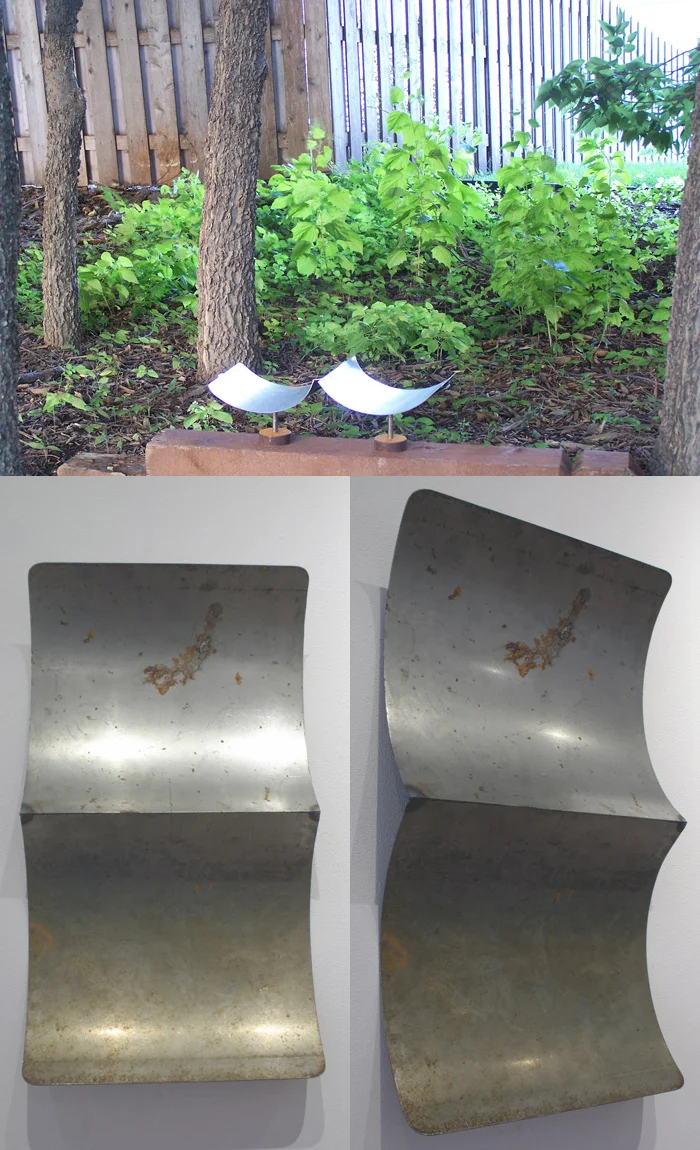
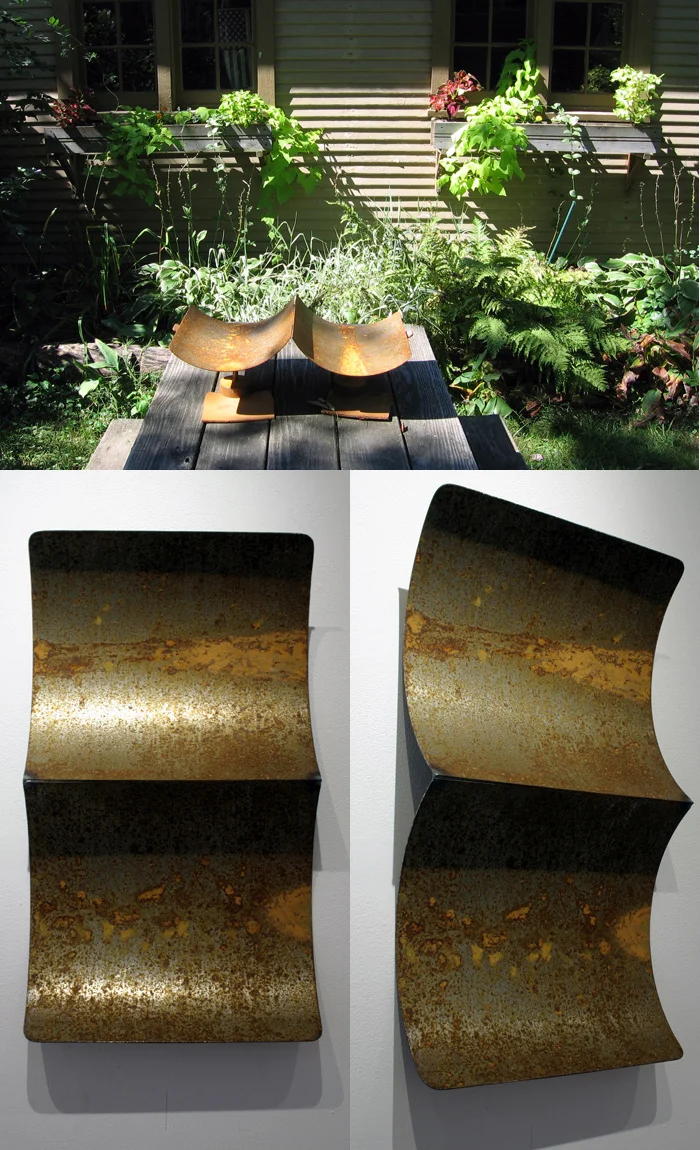
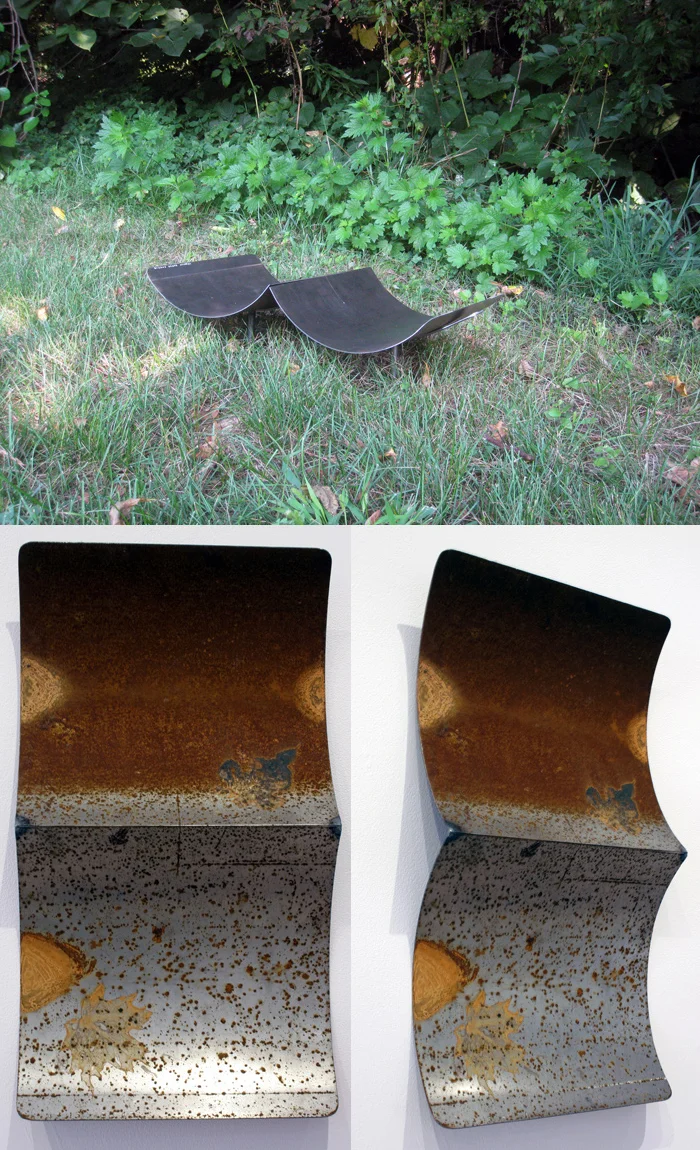
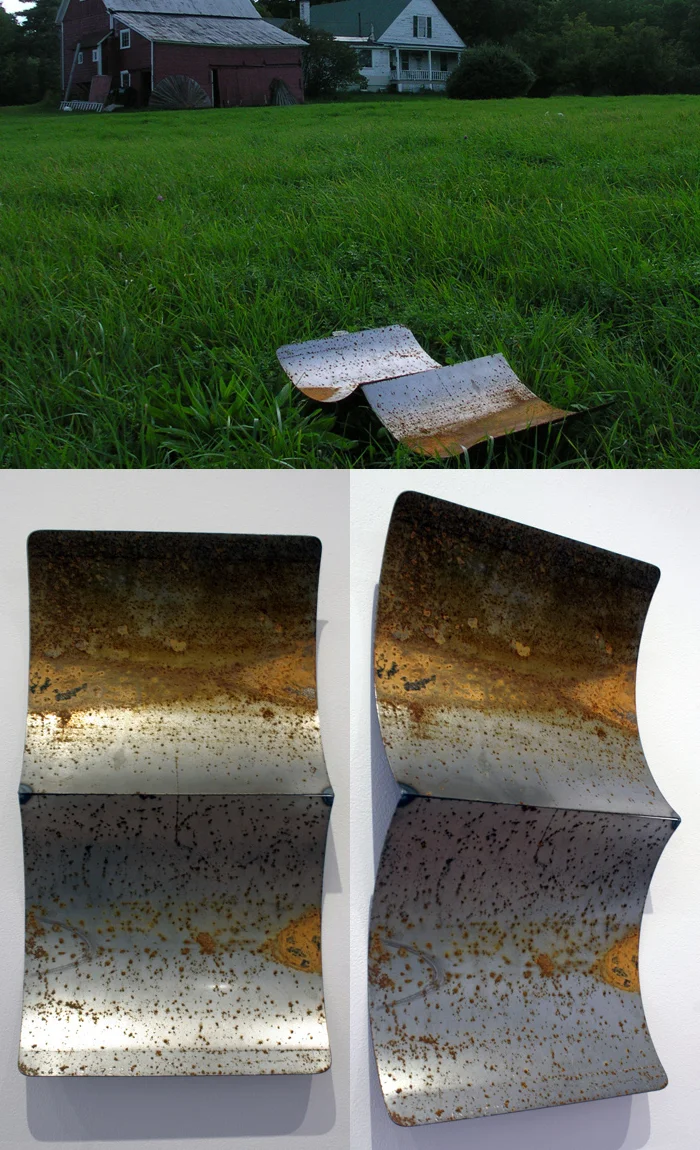
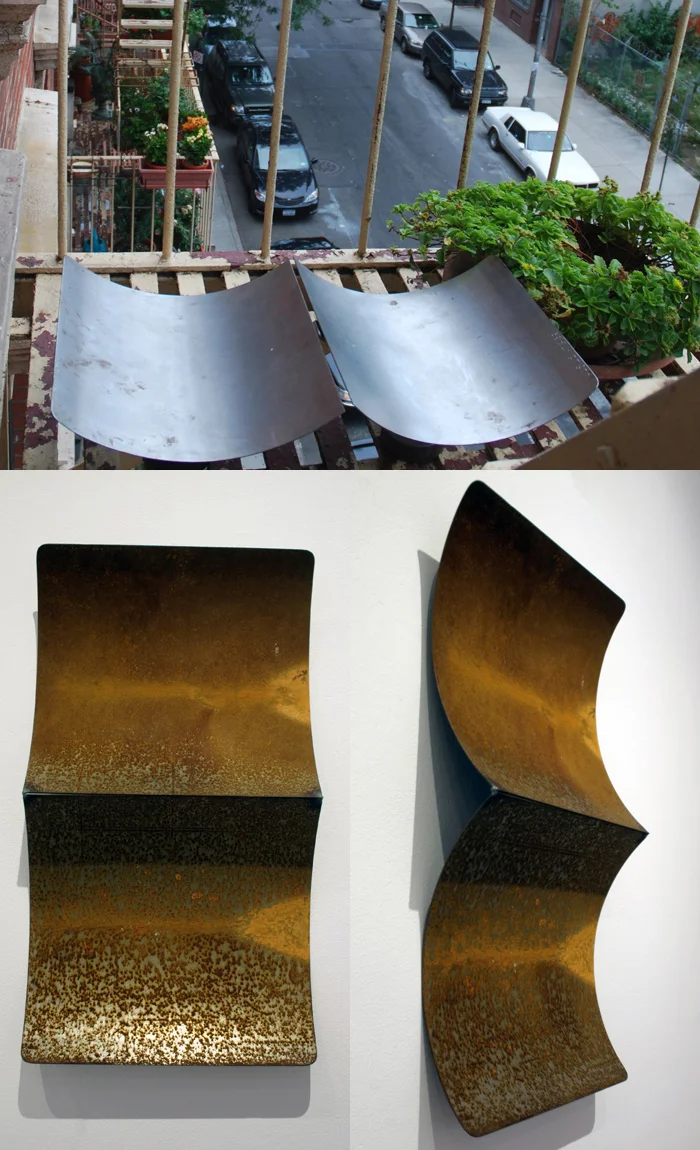
Steel and atmospheric oxidation, with photographic prints, (wall mounted- 13 horizontal ft., each module 12”x21”x3” with 12”x9” photos, hung above) 2010.
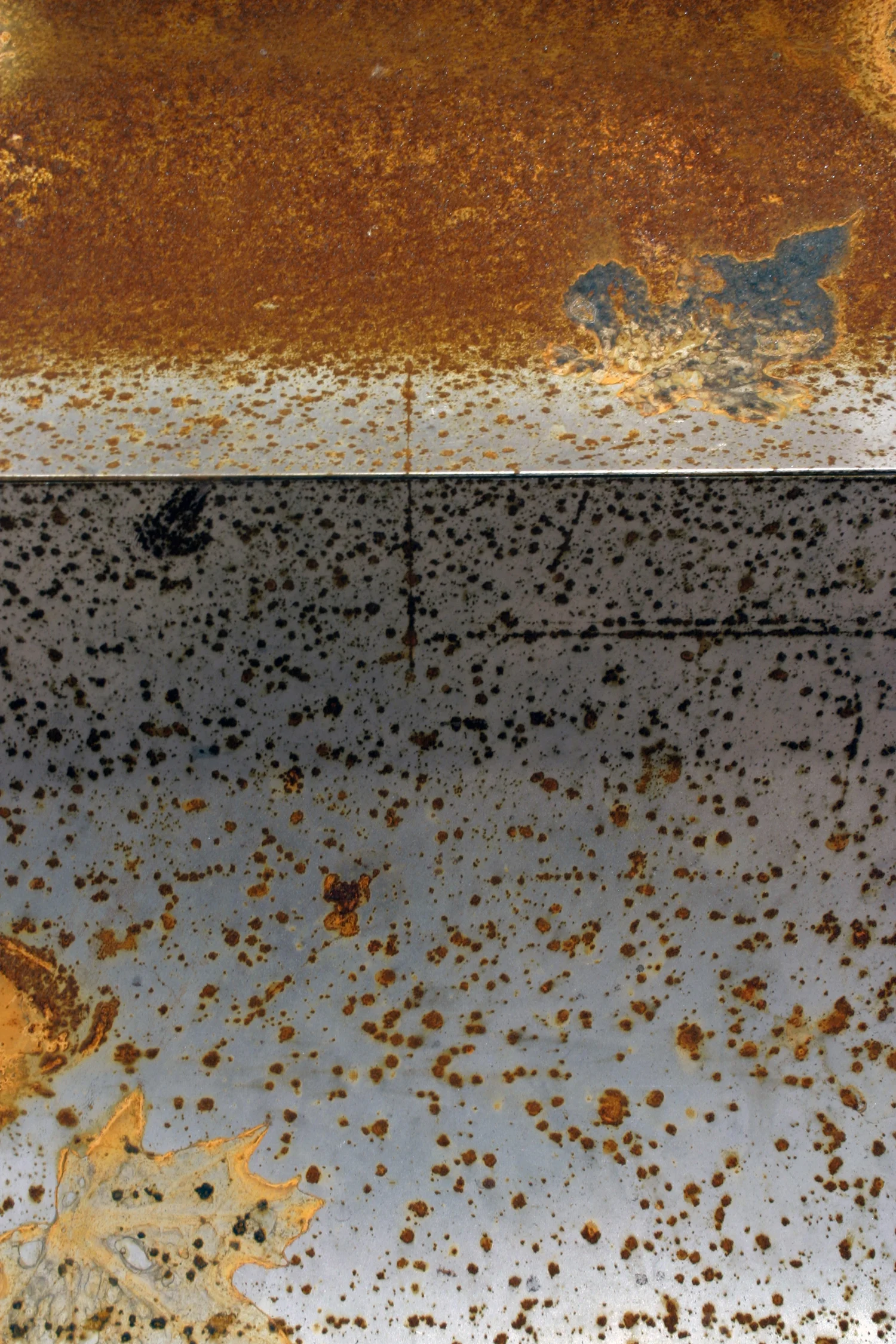
The oxidation of iron, or rusting, is a natural progression of material with environment. In the rust of steel, a specific location and time of that atmosphere is recorded, similar to the way light is recorded in contact to silver-gelatin film. The rust in its pattern, color, and texture, becomes a record of the atmospherical-time which has passed specific to location.
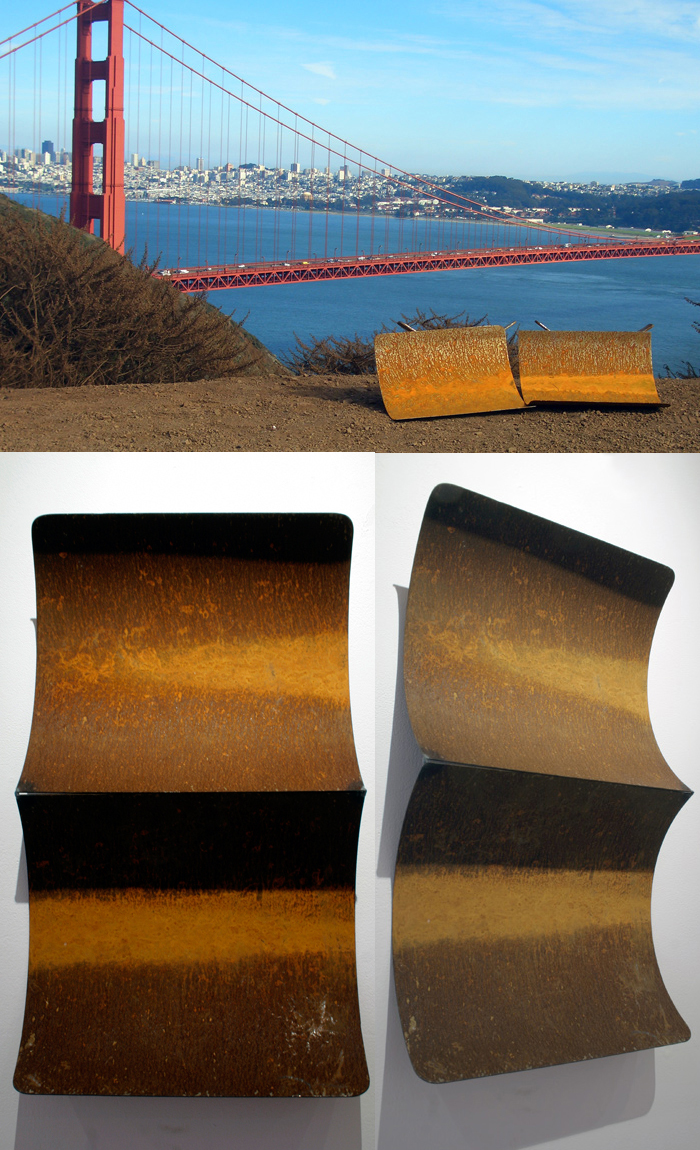
Seven sets of rolled sheets of mild carbon steel were sent to seven different locations: San Francisco CA, Meadow Ranch WY, Omaha NE, Chicago Il, Ann Arbor MI, Springfield VT, and New York City. The arced sheets in upward receiving stands collected the weather, time, and atmosphere of each location. The steel sheet becomes an artifact specific to place. It becomes that place.
The steel collectors were placed out in the atmosphere of each of the seven locations to catch each site’s specific Time recording rain, wind, snow, or sun, specific to each location. The Time and Place Collectors existed in each specific place for the controlled period of one lunar month. (new moon to new moon: August 20 – September 18, ending on the autumnal equinox of 2010)
Each set was then mailed back; shown with photo documentation illuminating context and place.